
Training in Peri & Post Menopause... What do you need to know?
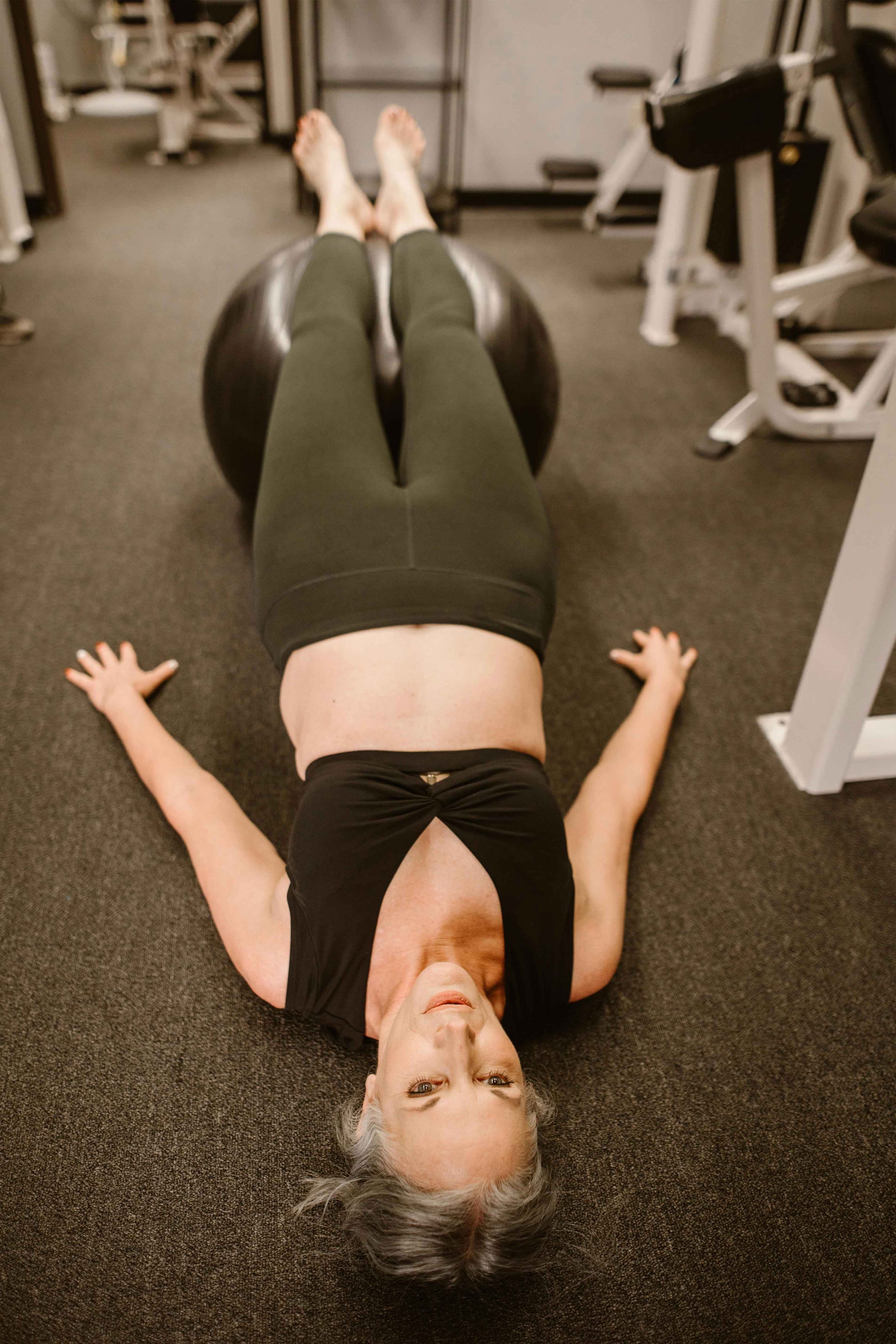
Exercise at any age is important – but it becomes even more important during these years to protect our bones, our muscles, our strength, fitness, hormones, heart health and overall quality of life.
How to start:
If you’re sedentary: Just move — walk, hike, garden, lift things around the house, and/or do body weight exercises. Focus on just moving more, good food choices, sleep, and social connection which is also a vital part of health.
If you’re a bit more active: Make it more often. Try some different workouts to mix into the mix. Try strength training once a week. Just adding in some variety and a bit more will help move the needle.
Then we can step it up further if you are more consistent or even highly active by really focussing on your strength training and adding it a bit of HIIT, also adding in some pilates or yoga to use some different muscles and calm the mind as well. Your training and nutrition need to reflect how you are feeling, what your hormones are doing and how you’re sleeping and recovering.
Training in Perimenopause
If you’re in this transition phase and already consistently active (moderate to high activity level), we are looking to make the most of your training to create positive changes. If you continue to just walk for example and lift 2kg weights and don’t change things up with progressive overload, you won’t see much change in your body composition.
Consistency is key: Your hormones are unpredictable, but your training shouldn't be. Plan the days you are training and make it your wellness meeting with yourself. If you feel flat on a day you’ve scheduled a hard workout, take a pause and just move: maybe this is a pilates day, or light weights, or just go for a walk in nature!
Lift heavy: Compound movements like deadlifts, squats, lunges, chins, rows, press ups, bench press etc are all great options for training the most effectively with being able to increase weight more. This preserves lean mass and bone density. If you don’t have the weights to be able to increase them, you can always increase reps and also slow down the tempo to make it a bit more challenging and add on a superset. EG: Squats followed quickly by a set of squat jumps, bench press followed up with press ups just to fatigue and increase intensity.
Impact work matters: Specific jumping, running, lateral hops, and other multidirectional impact stress is needed to load the bones to improve bone density. Some short HIIT sessions a couple of times a week can be beneficial and the beauty of this is it’s only 5-10 mins out of your day!
Your goals: Build and protect muscle. Include some intensity. Aim for optimal nutrition. Sleep all night. Support recovery.
Training in Postmenopause
Once you reach postmenopause, your hormones are low and stable. So if you have been moving, keep going, no need to stop as it’s so important for your hormones, so if you don’t already have an exercise habit before you reach menopause, be sure to get one going!
Assuming you are already moderately or highly active, then here are some other tips:
Keep lifting heavy—but rest more: Your recovery time is longer now. Adjust volume, not intensity. If you have any pelvic floor issues, the weight may need to decrease but focus on form and breath and holding your pelvic floor through your movements.
Power and mobility are your friends: Putting pressure on your bones with a bit of impact work, even walking up and down stairs or getting some hills into your walks will help. Yoga, Pilates and active recovery will all pay dividends.
Stay social: Train with others, follow a plan (consistency matters!), and track how you feel. Connection is so important, social isolation is as bad if not worse for your health than smoking apparently!
Your goals: Maintain strength. Prevent decline. Stay sharp, social and mobile.
If you need help at this stage of your life or you need to make changes, reach out, I'm here to help.
Andrea
xx